
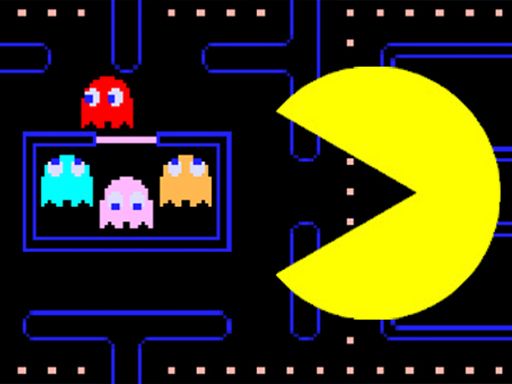
PACMAN
The original maze-chase, where the ghosts follow fixed personalities rather than chasing randomly. Learning them turns fear into routing.
ModerateView game →
54 games available now
Arcade games focus on immediate goals, readable feedback, and repeatable rounds. The category includes quick reflex challenges, score chases, obstacle games, and compact skill tests that are easy to start in a browser.
Arcade games work well for short sessions because the objective is usually introduced quickly and improvement comes through repetition.
Browse the cards below for a concise explanation of each game, then open the detail page to learn what kind of challenge it offers.
Ready to launch
Only games whose UTC release time has arrived are shown here.
The original maze-chase, where the ghosts follow fixed personalities rather than chasing randomly. Learning them turns fear into routing.
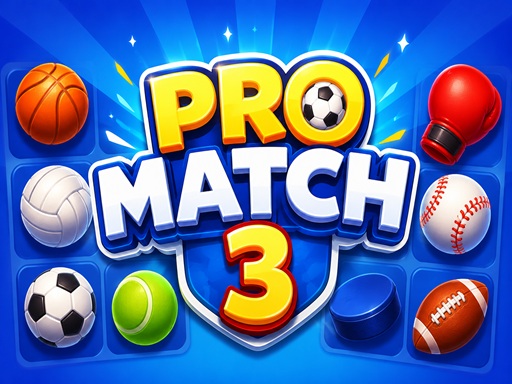
A match-three with a sports theme and a move limit. Cascades, not individual matches, clear objectives.
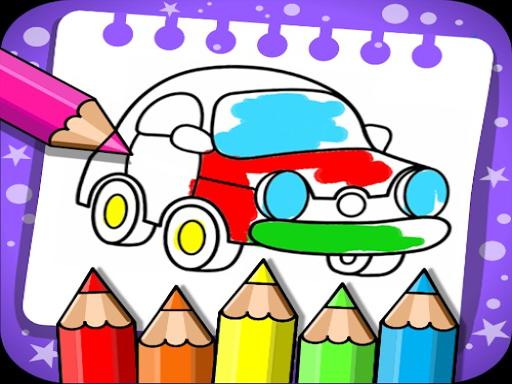
A fill-based colouring and learning activity for young children. Tap a region to fill it; the learning framing adds labels.
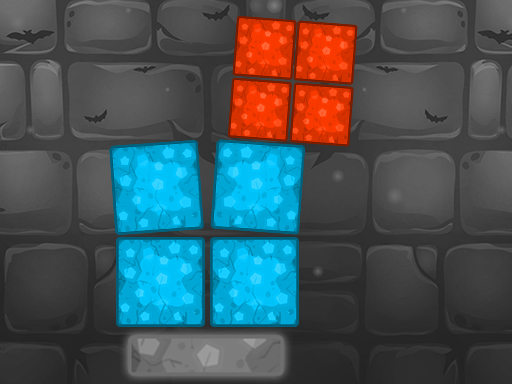
A block-arrangement puzzle where pieces fit into a grid. Planning placement order prevents dead ends.

Fill-based colouring with boats as the subject. Tap a region, it fills — the activity is palette choice, not brush control.
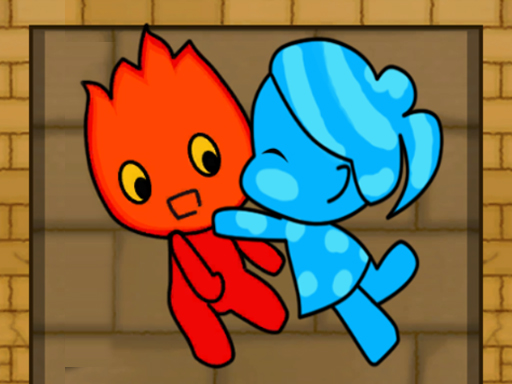
A two-character co-op puzzle-platformer where each can pass hazards the other cannot. Sequencing their moves is the puzzle.
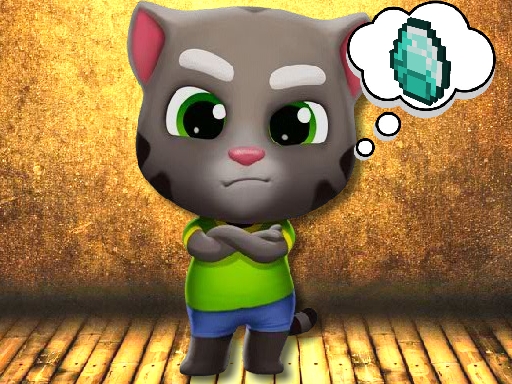
A collect-and-descend game where you dig or drop for treasure. Depth and risk rise together, so knowing when to bank matters.
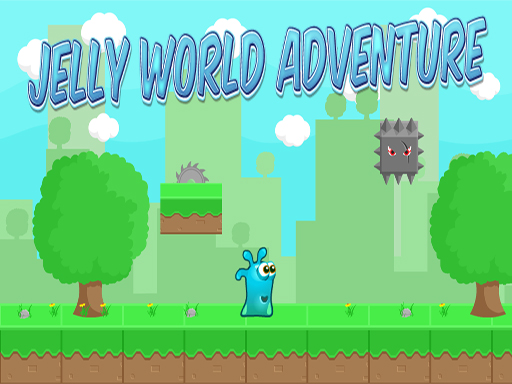
A momentum platformer with a soft, bouncy character. The wobble is not decoration — it affects where you land.
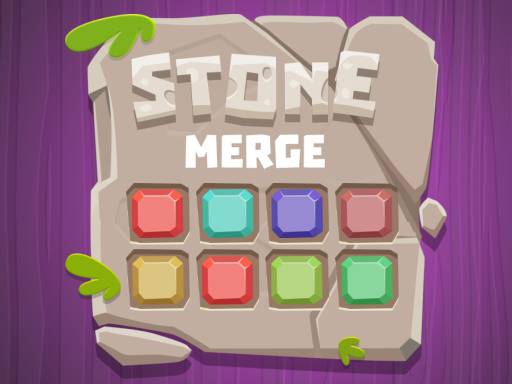
A merge game where combining matching stones frees board space. Space, not the merge itself, is the constraint.
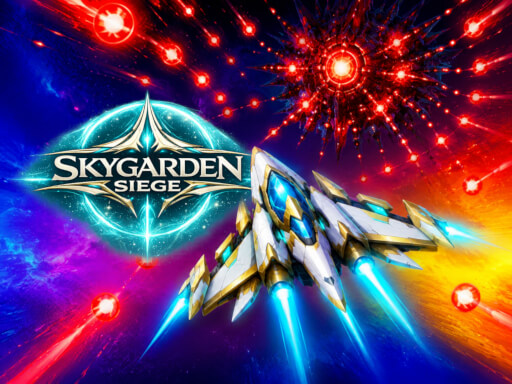
A defence game where you hold a position against waves. Placement and target priority decide holds more than raw firepower.
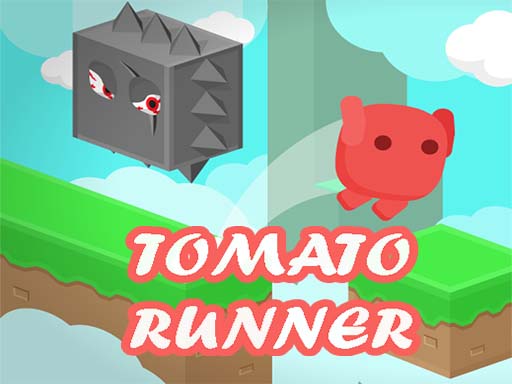
An endless runner with a limited set of obstacle patterns. Past a certain speed you recall shapes rather than react to them.
A high-speed avoidance runner with a neon aesthetic where the visual style is itself part of the difficulty.
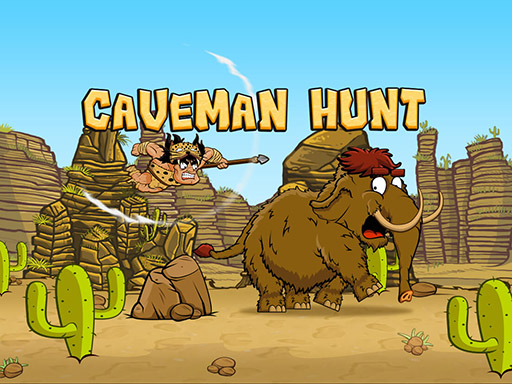
A timing-based action game with a prehistoric theme. Attacks and hazards run on readable patterns, so learning them is the game.
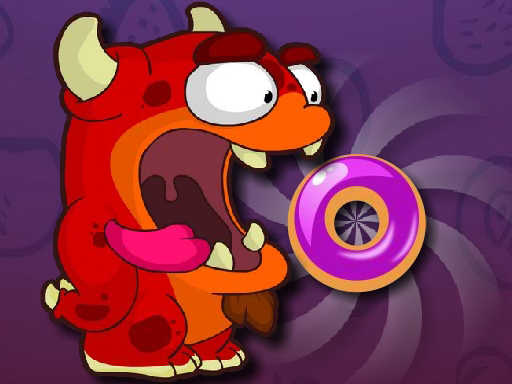
A matching game where a creature clears candy you line up. The clears feed a meter, so chaining matters more than any single match.
A puzzle-platformer where progress depends on solving the room, not just crossing it. Observation precedes action.
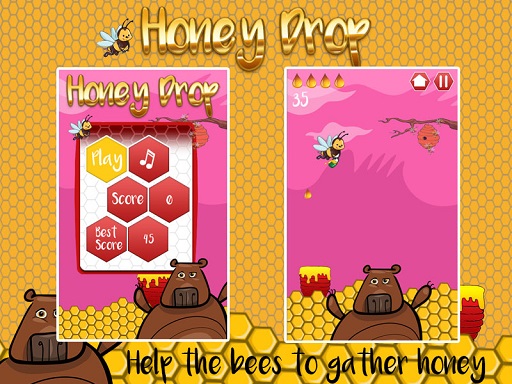
A physics dropper where you release objects into a container. Where you drop matters less than when, because things are moving.
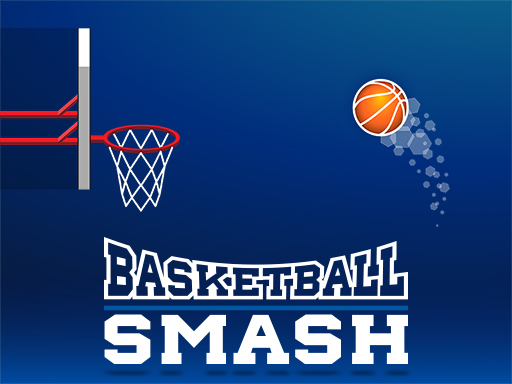
Fast, streak-scored shooting. Consecutive makes multiply the score, so a repeatable motion beats an ambitious one.
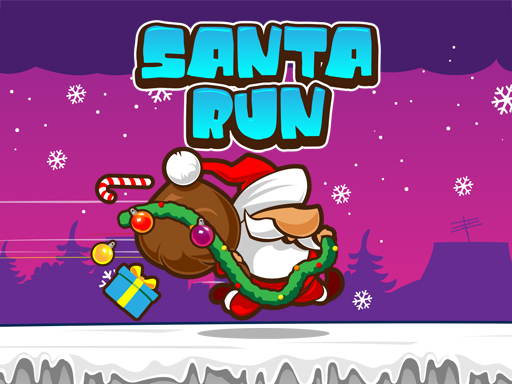
A festive auto-runner. Standard genre under the theme, so pattern learning and committed lanes carry runs.
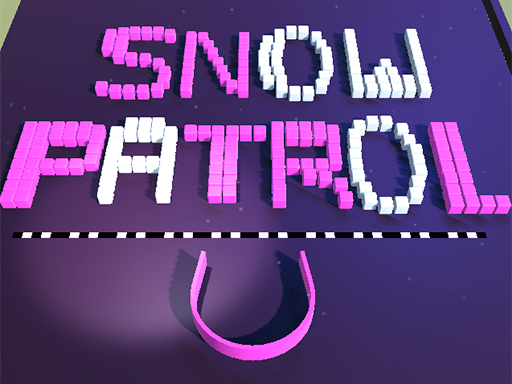
A winter-themed arcade action game where the surface affects movement, adding drift to an otherwise standard loop.
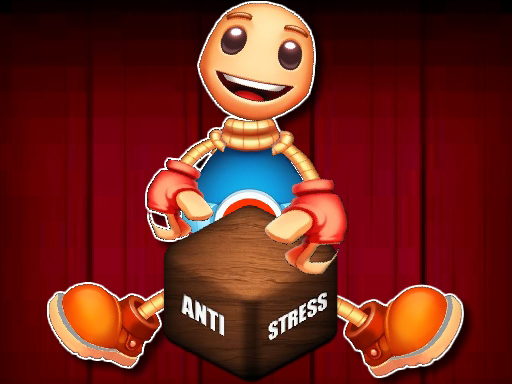
A collection of tactile fidget interactions with no goals. It is designed to be idly poked rather than played.

A sequel to a fidget collection, which in this genre means a different set of items rather than a changed design.
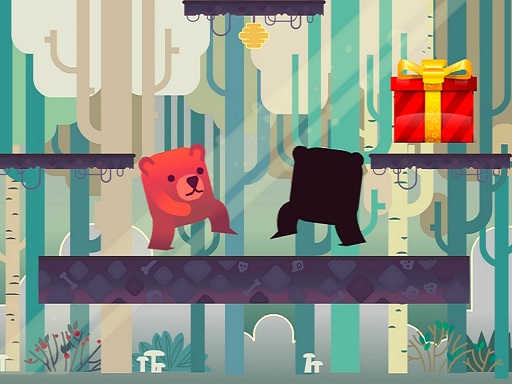
A collect-and-traverse platformer where the collectibles mark the intended route rather than sitting off it.

Fill-based digital colouring. The regions are pre-defined, so the activity is palette choice rather than brush control.
The same fill-based colouring engine applied to vehicles, which means more small regions and a different kind of decision.

Score-attack match-three against a clock. Unlike move-limited puzzles, here hesitation is the expensive mistake.
Pair matching where the limiting factor is what you can hold in your head, not what you can click.
A light physics-and-timing game with low stakes. Attempts are short and failures cost almost nothing.

A top-down maze game about route commitment. The layout is visible, so the challenge is not discovery but executing a path without backtracking into dead ends.
Vertical platform hopping where falling is the only real threat. Height is progress and there is no floor to return to.

Pure avoidance with no offensive option. You cannot remove threats, only fail to be where they are.
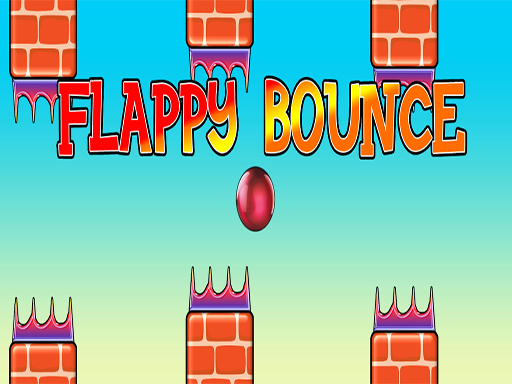
One tap, constant gravity, fixed gaps. The difficulty is entirely in maintaining a rhythm rather than reacting to anything.
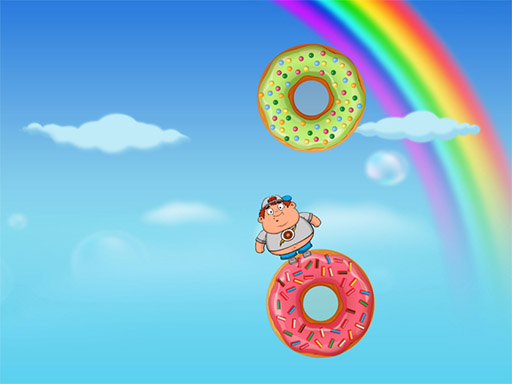
A flight game where your own size is the difficulty. A large sprite makes every gap effectively narrower than it looks.
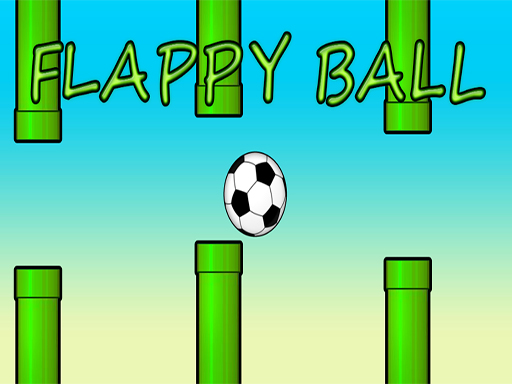
A flapper with weight. The ball falls harder and interacts with surfaces, which means some mistakes are recoverable.
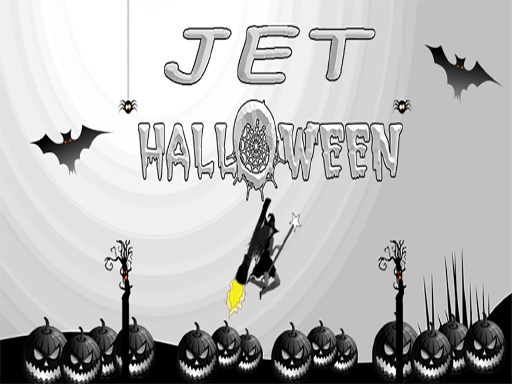
Corridor flight with hazards above and below. The task is holding a narrow horizontal band, not gaining height.
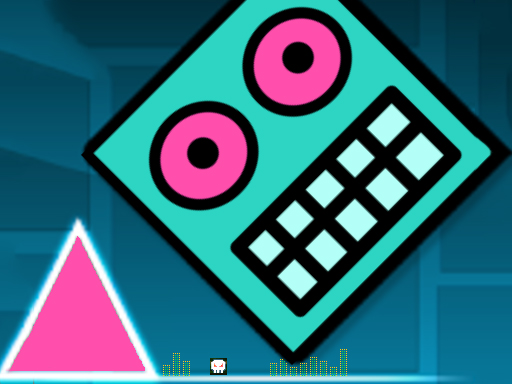
A rhythm platformer disguised as a reaction test. The layout never changes, so this is a memorisation game and always was.
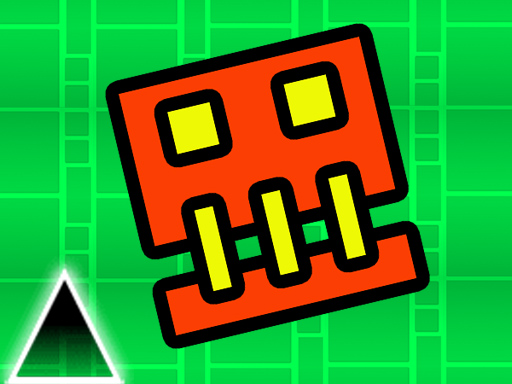
A one-button auto-runner with a fixed jump arc. Because the jump never varies, the game is about choosing launch points.

Single-stroke golf puzzles. Each hole is designed to go in one shot, so a second attempt means you missed the solution.
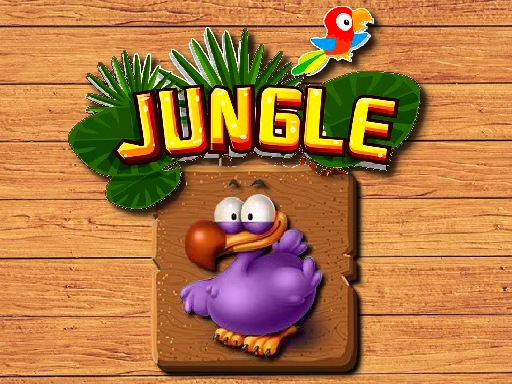
Match-three with a move counter. Because moves are finite, the question is never what you can clear but what your clear leaves behind.

A shopping-list errand where the challenge, such as it is, is remembering the list while navigating aisles.
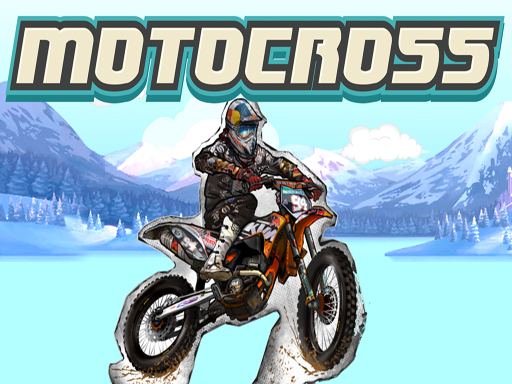
Dirt-track motorbike racing where rhythm sections matter more than top speed. Consecutive jumps have to be taken as a set.
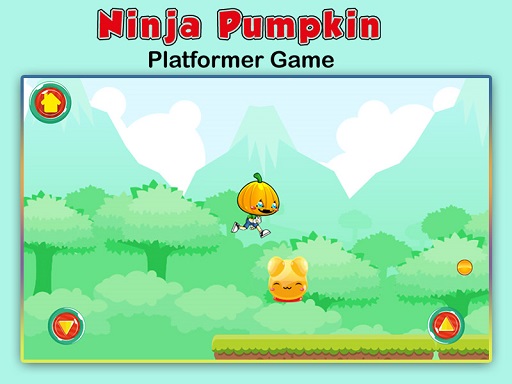
A wall-jumping platformer. Vertical shafts are the core challenge, and rhythm matters more than precision.
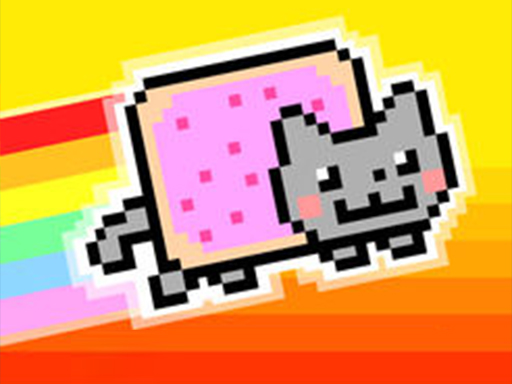
A flappy variant whose real difficulty is visual. The rainbow trail and busy background compete with the obstacle edges for your attention.
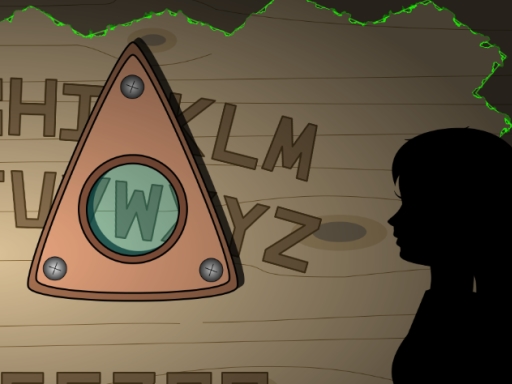
An atmosphere-led horror piece where audio carries the experience and there is very little to actually do.

Maze collection where the ghosts follow rules rather than chasing randomly. Learning those rules turns panic into route planning.
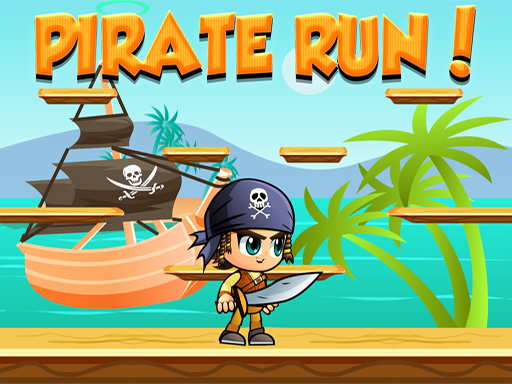
A lane-based endless runner where the obstacles arrive faster than you can react — so the skill is pattern recall, not reflexes.
Drop a ball down a rotating tower by spinning the tower, not the ball. You control the environment and gravity does the rest.
A whack-a-mole reaction game where the cost of a wrong hit is usually higher than the cost of a miss.
Your tail is the level. Every point you score makes the play area smaller, and the game is entirely self-inflicted.
Jetpack flight with momentum. Thrust adds velocity rather than setting height, so you steer by anticipating drift.

A caretaking loop with need meters. Unlike the pure interaction toys, this one has state that depletes and asks to be managed.

An interaction toy rather than a game. You poke the character and it reacts, and that reaction is the entire content.

A minigame collection behind a laboratory theme. The activities are unrelated to each other, so it plays as a menu rather than a game.

Minimal avoidance where the hazards are lines rather than objects. Reading a line means reading its whole length, not its nearest point.
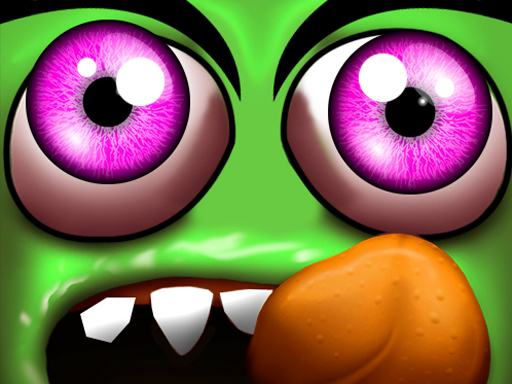
A one-button runner where your score is your crowd. You start as a single zombie and grow the horde by biting pedestrians, then spend that horde as a health bar against cars, gaps and barriers.
A clear objective and fast feedback make it easy to understand what went well and what to try differently in the next round.
Look for a premise that matches your mood: reaction tests, timing challenges, route navigation, or score-focused play.
Category help
Practical answers before you choose a title.
The catalog links to browser-playable games and does not charge for access to its pages.
Many are structured around compact rounds, although session length varies by game.