
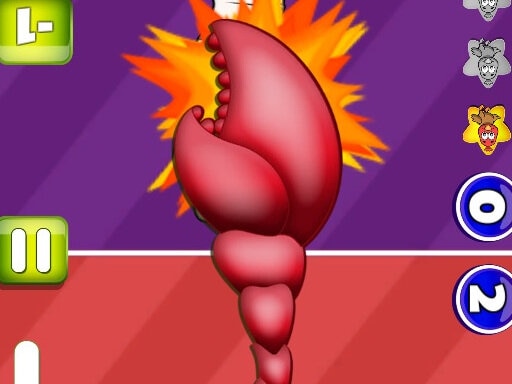
Clicker game
Red Hand Slap
A two-player reaction duel. Whoever commits first loses, which makes patience the winning move.
- Difficulty
- Easy
- Platform
- Modern browser
Game overview
Red Hands is a game of nerve rather than speed. One player has their hands exposed and must pull away; the other must strike before they do. The asymmetry is what makes it interesting: the slapper has to commit to a movement that takes time, and the defender only has to react to that commitment. Against a human this becomes a feinting contest. Against an AI it becomes a tell-reading exercise, because the computer usually telegraphs with a wind-up animation that is consistent enough to learn. Either way, the losing pattern is the same — moving early out of impatience rather than in response to anything.
This title is best suited to players who want a quick nerve-and-reaction duel, ideally against another person.
How to play Red Hand Slap
- When defending, wait for actual movement rather than pulling away on a guess.
- When attacking, vary your rhythm so the defender cannot predict your commitment.
- Watch for wind-up animation rather than the hand itself; the tell comes first.
- Reset your focus between rounds — one impatient flinch loses a round you had won.
Controls
- Click, tap, or press the action key to slap or pull away
Objectives and failure conditions
Objectives
- Land slaps while attacking and avoid them while defending
- Win the round count under the game format
The run ends or fails when
- Flinching early as defender, which normally concedes the point
- Missing as attacker, which usually surrenders the turn
Gameplay mechanics
- Asymmetric roles that swap between rounds
- Wind-up animation providing a readable tell
- Commitment cost — an initiated strike cannot be recalled
- Round-based scoring rather than continuous play
Tips for Red Hand Slap
- Patience wins. Almost every point lost while defending is an early flinch, not a slow reaction.
- Learn the wind-up. The tell arrives before the strike, and against the AI it is consistent.
- As attacker, do not settle into a rhythm. Predictability is the only thing that makes a fast strike fail.
What worked well and what did not
Pros
- The asymmetric duel structure creates genuine tension from very little
- Rounds are instant, so a loss costs nothing
Cons
- Against AI the tell becomes readable enough that the challenge fades
- Very little content beyond the single repeated interaction
Player comments
No published comments yet.