
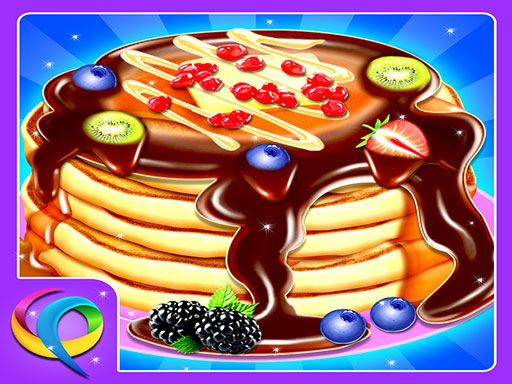
Cooking game
Breakfast
Multi-item plate assembly where several components cook at once. The plate is finished when the slowest item is, not when you are.
- Difficulty
- Easy
- Platform
- Modern browser
Game overview
Breakfast plates make a neat scheduling problem because the components have genuinely different durations — toast, eggs, and a drink are not interchangeable, and the one that takes longest determines when the order can go out. That makes the correct opening move obvious once you see it and easy to miss otherwise: start the slowest component before you look at anything else. Where this format differs from the busier restaurant games is that the pressure comes from one plate with several parts rather than several plates with one part each, so the discipline is component sequencing within an order instead of triage across orders.
This title is best suited to players who want a small, tidy scheduling puzzle without the pressure of a full restaurant.
How to play Breakfast
- Read the full plate order before starting anything.
- Begin the longest-cooking component first — it sets the earliest possible finish time.
- Fill its cooking time with the instant components rather than waiting.
- Plate up only when every component is ready; partial plates usually score badly.
Controls
- Click or tap ingredients, appliances, and the plate to assemble
Objectives and failure conditions
Objectives
- Assemble each plate completely and correctly
- Sequence components so the slowest one is never waiting on you
The run ends or fails when
- Serving an incomplete or incorrect plate
- Burning a component left on an appliance
- Missing the order deadline where one applies
Gameplay mechanics
- Components with genuinely different cook durations
- Parallel appliance timers within a single order
- Burn timers on items left after completion
- Completeness checking on the assembled plate
Tips for Breakfast
- Whatever takes longest goes on first, every time. It sets the floor for the whole order.
- Instant items belong in the gaps, not at the start. Doing them first just delays the slow one.
- Check every component before plating. Serving three of four items usually scores worse than serving late.
What worked well and what did not
Pros
- Component sequencing gives a simple game a real optimal solution to find
- Single-plate focus keeps it calmer than multi-customer restaurant sims
Cons
- Once the sequencing rule is understood, levels offer little new
- Burn timers can punish attention spent on a different component
Player comments
No published comments yet.