

Cake Shop Bakery Chef Story
A bakery counter mixing baking steps with customer service. Managing the oven queue is the real task.
ModerateView game →
25 games available now
Cooking games transform recipes, restaurant routines, and food preparation into accessible browser challenges. Players may arrange ingredients, serve orders, decorate dishes, or manage a sequence of kitchen tasks.
This category is for players who enjoy clear processes, visual feedback, and food-themed creativity. Some games emphasize timing while others are more relaxed.
Read the game summary before launching to understand whether the experience centers on preparation, service, decoration, or another cooking activity.
Ready to launch
Only games whose UTC release time has arrived are shown here.
A bakery counter mixing baking steps with customer service. Managing the oven queue is the real task.

Precision slicing to a target line. There is no timer, so accuracy is the only thing being scored.
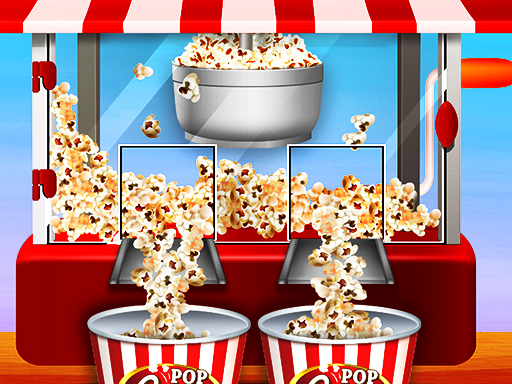
A guided production activity for young players. Stages gate in order, showing raw corn become finished popcorn.
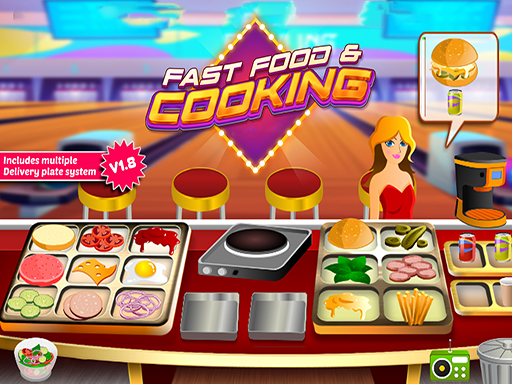
A busy service game where multiple stations run at once. Appliance scheduling, not hand speed, is the limit.
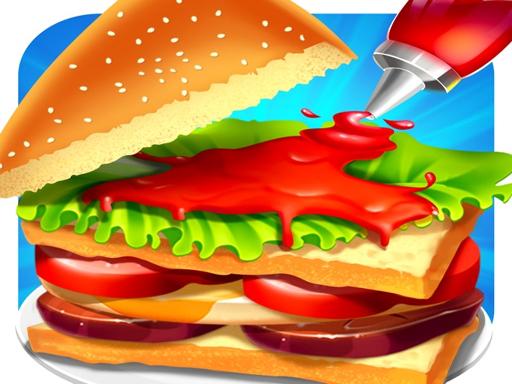
Order-sensitive stacking. The layers must go in the specified sequence, so it is a short memory task.
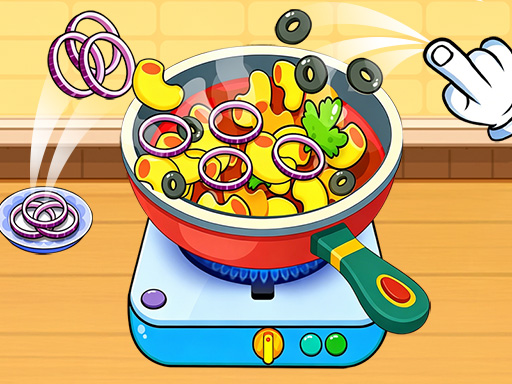
A guided recipe activity for young players. Steps unlock in order, so the gating is the teaching mechanism.
Multi-component dish assembly where several items prepare at once. The slowest component sets the pace.
Restaurant management with a between-level economy. What you upgrade decides progression more than hand speed.

Order-driven pizza service where accuracy is scored against the ticket. Reading the order fully beats working fast.
Multi-item plate assembly where several components cook at once. The plate is finished when the slowest item is, not when you are.
A burger shop with an economy attached. Pricing and upgrades decide progression more than assembly speed does.

Restaurant service where the menu grows faster than your kitchen. Station layout, not speed, is what eventually limits you.

A time-management game where the cooking is trivial and the queue is the puzzle. You are scheduling, not cooking.
A shop counter with simple customer orders. The interesting bit for a young player is reading a request and reproducing it.
Restaurant management where the upgrade economy, not your reflexes, decides whether a level is passable.
A stacking game wearing a burger costume. Timing a drop onto a moving target is the whole mechanic.

A craft activity with a light serving element bolted on. Guests make requests, which gives the decorating a target.

A step-by-step drink maker aimed at younger players. There is no fail state — the appeal is customisation, not challenge.

A recipe followed step by step, with each stage locked until the previous one is done. The gating is the teaching mechanism.
Restaurant service under real time pressure. The bottleneck is never your hands — it is which appliance is free.
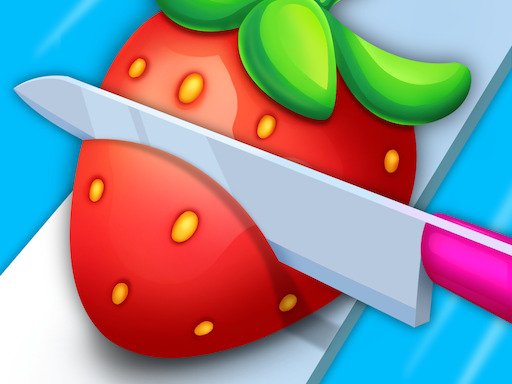
Slicing to a target line. Accuracy is measured against an ideal cut, so a confident wrong stroke scores worse than a careful one.
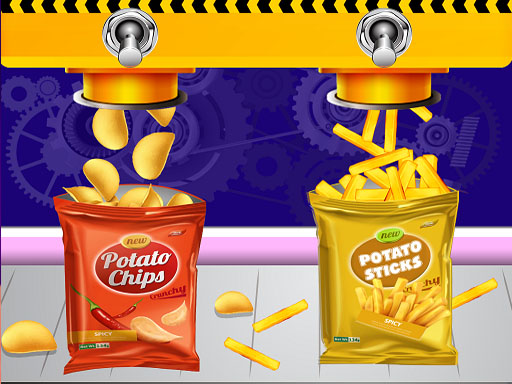
A production line presented as a sequence of stages. The appeal is watching a process run start to finish.

The baking is a preamble; the decorating stage is the actual content. What you are making is a designed object.

Order assembly where accuracy is the entire score. The customer asked for something specific, and approximately right counts as wrong.
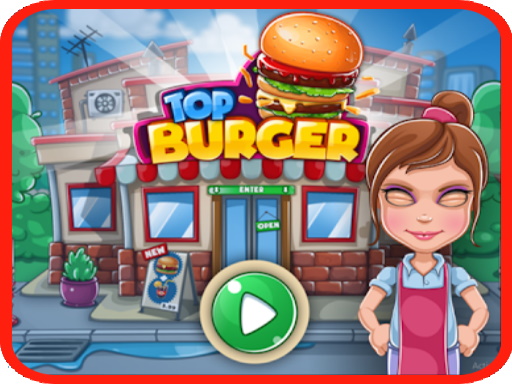
Build-to-order stacking where the sequence of layers is checked, not just their presence.
Cooking games can focus on following a sequence, recognizing ingredients, responding to orders, or creating a finished dish.
Choose a relaxed creation game for experimentation or a service-focused title when you want a more time-sensitive challenge.
Category help
Practical answers before you choose a title.
They are entertainment experiences. Any in-game recipe or technique should not be treated as professional cooking guidance.
Many use pointer or touch interactions, but exact device support depends on the embedded game.